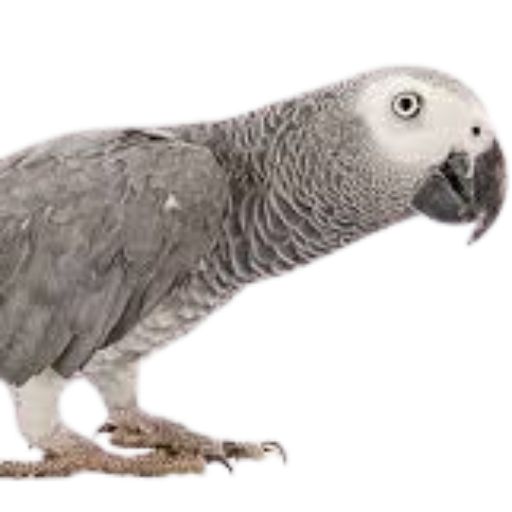
Road Trips With Parrots: Car Safety, Rest Stops, and Overnight Stays

A successful road trip with a parrot begins long before the car moves. Carrier training is only one piece of the plan. You also need secure placement, temperature control, familiar supplies, safe stops, suitable lodging, and a clear response if the bird becomes stressed or ill.
Schedule a pre-trip health check
Ask an avian veterinarian whether your bird is healthy enough to travel and whether health certificates or destination rules apply. Carry veterinary records, medication instructions, identification details, and contact information for avian clinics along the route and near your destination.
Secure the carrier correctly
Use a sturdy, ventilated carrier that prevents escape and allows stable footing. Position it away from airbags and secure it so it cannot slide or tip during sudden braking. Do not allow a parrot to ride loose, sit on the driver, or climb around the vehicle.
Control the car environment
- Pre-condition the cabin before bringing the bird inside.
- Keep the carrier out of direct sunlight.
- Avoid strong vents blowing directly on the bird.
- Do not use air fresheners, scented cleaners, or smoke.
- Keep music and conversation at a comfortable level.
Plan calm rest stops
Stop in secure, quiet places and check the bird’s posture, breathing, droppings, food, and water. Keep doors and windows closed before opening any carrier access. Never leave a parrot unattended in a parked vehicle, even for a short errand.
Pack a dedicated travel kit
Bring familiar food, bottled water if water quality will change, bowls, paper liners, cleaning supplies, a small first-aid kit recommended by your veterinarian, medications, a gram scale, spare carrier fasteners, and a few familiar toys. Pack more food than the itinerary requires in case of delays.
Choose overnight lodging carefully
Confirm that birds are permitted and ask about cleaning fragrances or recent pesticide treatments. Inspect the room for open vents, unsafe windows, ceiling fans, hot surfaces, and gaps where a bird could hide. Keep the parrot secure while doors are opening.
Watch for travel stress
Heavy open-mouth breathing, weakness, repeated vomiting, loss of balance, or collapse requires urgent attention. Reduce noise and stimulation, move to a safe temperature-controlled location, and contact the nearest avian veterinarian.
With careful preparation, a road trip can be predictable rather than overwhelming. Prioritize containment, climate, familiar routines, and emergency options at every stage.