Macaw Care vs. African Grey Care: A Complete Daily-Care Comparison

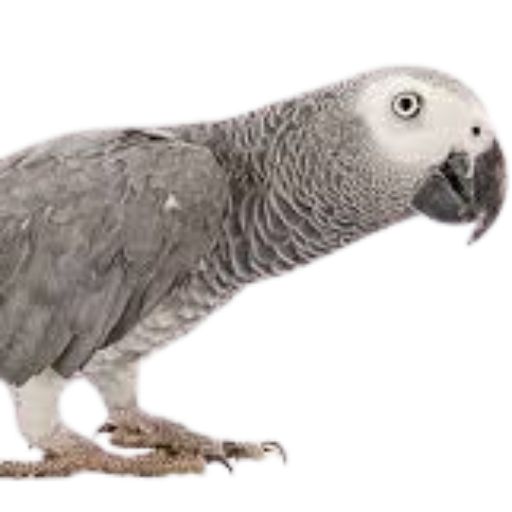
Macaw care and African Grey care share the same foundations: appropriate nutrition, veterinary attention, safe housing, enrichment, training, sleep, and daily social contact. The way owners deliver that care differs because macaws are generally larger and more physically intense, while African Greys are often highly observant and sensitive to environmental change.
Housing and space
Full-size macaws require exceptionally large, strong cages with secure hardware. Their tails, wings, and climbing movements need clearance, and their beaks can destroy equipment made for smaller birds. A strong play stand and a large bird-safe exercise area are essential.
African Greys need roomy cages too, though the footprint can be smaller than a full-size macaw enclosure. Bar spacing must be suitable for a Grey, and the cage should support climbing, foraging, and comfortable wing extension.
Food and nutrition
Both species benefit from a balanced formulated diet selected with an avian veterinarian, fresh vegetables, measured healthy additions, and clean water. Seed-only diets are not appropriate. Portions should reflect body size, activity, health, and veterinary guidance.
Macaws consume larger quantities, so monthly food costs are usually higher. Some macaw species may have specialized nutritional needs. African Greys require careful nutritional management and should receive regular health assessments rather than unmonitored supplements.
Enrichment differences
Macaws often need robust chewing materials, climbing opportunities, large foraging devices, and physical games. Toys must be constructed for the bird’s beak strength and inspected frequently.
African Greys frequently excel with puzzles, foraging tasks, speech-based interaction, shaping games, and gradual novelty. Some Greys approach unfamiliar toys cautiously. Introduce new objects at a comfortable distance instead of forcing immediate interaction.
Noise and household fit
A macaw’s natural calls can be extremely loud. Training can reduce reinforced screaming, but it should not be used to suppress normal communication. Household members and neighbors must be able to tolerate predictable periods of sound.
African Greys are generally lower in volume but can be persistent talkers, whistlers, and imitators. They may reproduce alarms, phones, or appliance sounds with impressive accuracy.
Training and handling
Positive reinforcement is the safest foundation for both species. Teach step-up, stationing, recall foundations, entering a carrier, and accepting cooperative health care. Short, successful sessions are more productive than confrontational handling.
Macaw owners must learn to read large-beak body language and avoid encouraging overexcited wrestling that becomes unsafe. Grey owners should watch for subtle avoidance signals and allow the bird time to process new situations.
Grooming and bathing
Provide regular opportunities for bathing or misting according to the bird’s preferences. Maintain safe natural perches that support foot health. Nail or beak procedures should be performed only when necessary by an experienced professional; routine beak trimming is not a substitute for health evaluation.
Sleep and routine
Both birds need a consistent period of quiet, uninterrupted sleep, often around 10 to 12 hours depending on the individual and veterinary advice. A chaotic schedule can contribute to stress and behavior changes.
African Greys may respond particularly strongly to sudden routine changes. Macaws also benefit from predictability, especially around meals, out-of-cage time, and evening settling.
Cleaning workload
Macaws produce larger droppings, more food debris, and substantial toy fragments. Their cages and surrounding floors demand frequent cleaning. African Greys create fine feather powder in addition to ordinary cage debris, which may be important for people with respiratory sensitivities. Good ventilation and appropriate filtration can help, but birds must never be exposed to unsafe fumes or ozone-generating devices.
Veterinary and emergency care
Locate a qualified avian veterinarian before adoption. Schedule an initial examination and follow the veterinarian’s preventive-care recommendations. Weigh the bird regularly on an appropriate gram scale and learn its normal appetite, droppings, activity, and behavior.
Seek veterinary advice promptly for breathing difficulty, persistent vomiting, bleeding, injury, sudden weakness, major appetite change, or a marked change in droppings or behavior.
Daily care checklist
- Refresh food and water and observe appetite
- Clean bowls and heavily soiled surfaces
- Provide supervised exercise and social contact
- Offer foraging, chewing, and training opportunities
- Check toys, perches, locks, and cage condition
- Allow adequate quiet sleep
Which care routine suits you?
Macaw care is usually more demanding in physical space, equipment strength, noise tolerance, and cleanup. African Grey care places exceptional emphasis on patient socialization, mental stimulation, and a steady environment. Both require substantial time and a decades-long commitment.
Choose the individual bird whose needs realistically match your household. Contact Higgins Grey Parrots to discuss current availability and ask what diet, routine, behavior, and housing a particular bird is accustomed to.