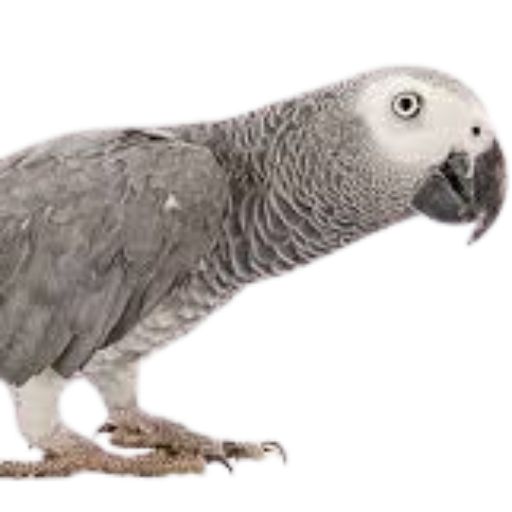
How to Choose an African Grey Parrot

African Grey parrots are celebrated for their intelligence, sensitivity, and remarkable ability to learn sounds and words. Choosing one responsibly means looking beyond appearance and asking whether the bird’s health, history, temperament, and long-term needs fit your household.
Decide Whether an African Grey Fits Your Lifestyle
An African Grey needs daily social interaction, mental stimulation, supervised time outside the cage, and a predictable sleep schedule. These parrots can live for decades, so the decision should account for future housing, travel, family changes, veterinary expenses, and daily care.
Before moving forward, review our bird care guidance and make sure everyone in the household understands the commitment.
Choose a Reputable Source
A responsible breeder or rescue should answer questions clearly and provide honest information about the bird. Avoid sellers who pressure you to pay immediately, refuse to discuss veterinary care, or cannot explain how the bird was raised and socialized.
Questions to ask
- What is the bird’s age and hatch date?
- Has the bird been fully weaned onto an appropriate diet?
- Has DNA sexing been completed?
- What veterinary records or health documentation are available?
- How has the bird been socialized with people and household activity?
- What foods, routines, and training cues are familiar?
Look for Signs of Good Health
A healthy parrot is generally alert, responsive, and interested in its surroundings. Look for clear eyes, clean nostrils, smooth breathing, well-kept feathers, a clean vent area, and feet that grip normally. Because birds often hide illness, appearance alone is not enough. Arrange an examination with a qualified avian veterinarian and read the seller’s health guarantee before making a commitment.
Consider Temperament and Socialization
African Greys are individuals. Some are outgoing and curious; others are cautious and need more time to trust new people. Observe how the bird responds to a calm voice, new objects, and gentle interaction. A shy bird is not necessarily unsuitable, but its pace and boundaries should be respected.
Prepare the Home Before Arrival
Set up a spacious cage in a safe, social part of the home, away from kitchen fumes, drafts, and constant commotion. Provide varied natural-wood perches, safe toys, foraging opportunities, food and water dishes, and a quiet place for uninterrupted sleep. Remove hazards such as toxic plants, open windows, ceiling fans, scented aerosols, and overheated nonstick cookware.
Make a Patient, Informed Choice
The best choice is not simply the most talkative or colorful bird. It is a healthy, appropriately weaned parrot whose needs match your experience, schedule, and resources. Take time to compare options, verify documentation, and plan for professional veterinary care.
You can learn more about the species on our African Grey parrots page, browse available parrots, or contact Higgins Grey Parrots with questions.