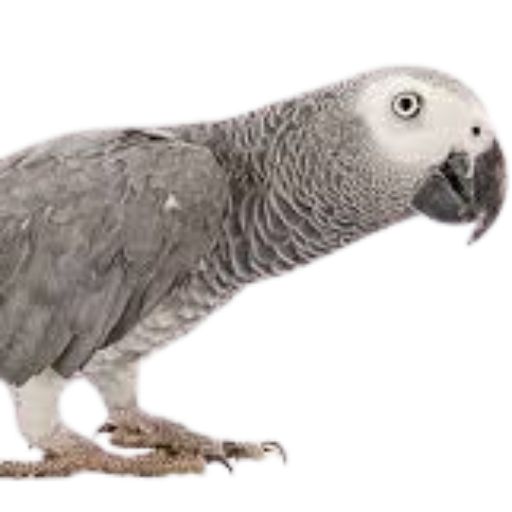
Daily Routine for an African Grey Parrot: Time, Attention, and Enrichment
Learn a simple daily routine for an African Grey parrot, including feeding, interaction, enrichment, rest, and first-week care tips.

African Grey parrots are intelligent companion birds, and a good daily routine helps them feel secure. A routine does not need to be complicated. It should make feeding, cleaning, interaction, rest, and enrichment predictable enough for the bird to understand what happens each day.
If you are thinking about bringing home an African Grey, it helps to picture the daily care before you reserve a bird. A healthy routine can reduce stress, support better behavior, and make the first weeks easier for both the parrot and the family.
Morning: Fresh Food, Water, and a Calm Start
Start the day by checking your parrot’s water, food dishes, cage paper, and general behavior. A bird that is bright, alert, and interested in breakfast is usually easier to monitor than a bird with no routine. Remove old food, add fresh water, and offer the foods your parrot is already used to eating.
Do not make sudden diet changes during the first days at home. Keep the familiar feeding schedule and slowly adjust only when the bird is settled. For more food guidance, visit our parrot feeding page.
Midday: Enrichment and Supervised Activity
African Greys need more than a cage and food bowl. They benefit from safe toys, chew items, foraging activities, and calm interaction. Enrichment gives the bird something useful to do and can help reduce boredom-related calling or feather-damaging habits.
Supervised out-of-cage time can be helpful when the room is safe. Before opening the cage, check windows, doors, ceiling fans, cords, hot surfaces, other pets, and anything the bird could chew. If you are still setting up the space, use our bird care guide as a starting point.
Afternoon: Short Training and Social Time
Short, positive interaction is usually better than long, stressful sessions. You can practice simple step-up work, gentle talking, target training, or quiet time near the cage. Keep sessions short and end before the bird becomes overwhelmed.
New owners should watch body language closely. If the bird moves away, pins its eyes, fluffs tightly, lunges, or seems tense, give it space. Trust grows through consistency, patience, and respectful handling.
Evening: Clean Up and Wind Down
Evening is a good time to remove leftover fresh food, refresh water if needed, and tidy the cage area. Many parrots do best when the household becomes calmer before bedtime. Loud activity late at night can keep a bird alert when it should be resting.
A secure, correctly sized cage also matters. If you are still choosing a setup, review the parrot cages section and think about perch placement, easy cleaning, and room location.
Weekly Routine Checks
- Rotate safe toys before the bird becomes bored.
- Check perches for wear, sharp edges, or loose parts.
- Look at food intake and droppings for changes.
- Clean cage bars, trays, bowls, and nearby surfaces.
- Review whether the bird is getting enough rest and quiet time.
Pet bird care should also include regular veterinary guidance. Helpful outside references include the Merck Veterinary Manual pet bird overview and Association of Avian Veterinarians bird owner resources.
Before You Reserve a Bird
Ask about the bird’s current feeding routine, comfort with people, favorite foods, and daily habits. A good match is not only about looks or price. It is about whether your home can support the daily care the parrot needs.
You can view current birds on our available parrots page. For pickup, nationwide shipping, or care questions, contact Higgins Grey Parrots.
Frequently Asked Questions
How much daily attention does an African Grey parrot need?
African Grey parrots need daily interaction, a steady feeding routine, rest, and enrichment. The exact time varies by bird, but owners should plan for consistent attention every day.
Does an African Grey need out-of-cage time every day?
Many African Greys benefit from supervised out-of-cage time when the room is safe. New owners should start slowly and only allow out-of-cage time when doors, windows, cords, fans, and other hazards are controlled.
What enrichment should an African Grey have?
Useful enrichment can include safe toys, foraging activities, gentle training, social time, fresh foods, and a predictable routine. Rotate items gradually so the bird stays interested without becoming overwhelmed.
Planning your daily routine now? Browse available African Grey parrots or ask us a question.