Congo vs. Timneh African Grey: Differences Future Owners Should Understand
Compare Congo and Timneh African Greys by appearance, size, temperament myths, care needs, and the questions that matter when choosing a bird.

The Congo and Timneh are the two commonly recognized African Grey species kept as companions. Both are highly intelligent parrots that require substantial daily interaction, enrichment, thoughtful nutrition, and lifelong planning. Their visible differences are useful for identification, but they do not reliably predict whether a particular bird will be outgoing, quiet, cuddly, or an exceptional talker.
Appearance at a glance
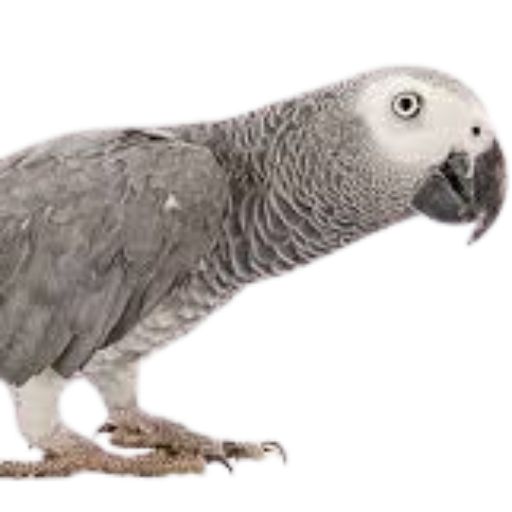
Congo African Greys are generally larger, with pale to medium gray plumage, a bright red tail, and a predominantly black beak. Timneh African Greys are usually smaller and darker, with a maroon or deep red tail and a lighter upper beak. Young birds can look different from mature adults, and photographs can distort size and color, so documentation and professional identification are more dependable than a casual guess.
Size affects setup, not commitment
A Timneh’s smaller body does not make it a low-maintenance alternative. Both need spacious housing, multiple safe perches, room for full wing movement, daily supervised activity, and rotating foraging opportunities. Select bar spacing and accessories for the individual bird. A cage should prevent the head from passing between bars while providing enough strength for a powerful beak.
Temperament claims deserve caution
Timnehs are sometimes described as more adaptable and Congos as more reserved. These broad claims can obscure enormous individual variation. Early socialization, sleep, health, reinforcement history, household pace, and respect for body language usually tell you more than the label alone. Meet the individual bird and ask for specific behavioral observations.
Speech and intelligence
Both species can learn words, household sounds, routines, and complex associations. Neither comes with a speech guarantee. Some individuals speak clearly; others prefer whistles, sound effects, or species-typical vocalizations. A healthy relationship should not depend on verbal performance. Training should emphasize useful skills such as stepping onto a perch, entering a carrier, stationing, and accepting routine care.
Shared care priorities
- A balanced diet planned with an avian veterinarian
- Predictable sleep and a calm nighttime environment
- Daily foraging, chewing, problem-solving, and social choice
- Routine weight monitoring and wellness examinations
- Careful introduction of new objects and household changes
- An emergency, travel, and long-term caregiver plan
Questions to ask before choosing
Ask about confirmed species, age, identification, veterinary history, current diet, handling comfort, flight ability, preferred rewards, fears, daily schedule, and exposure to different people. Observe whether the bird can retreat and whether the seller accurately describes both strengths and challenges.
Frequently asked questions
Which African Grey is better for beginners?
Neither species is automatically beginner-friendly. Choose based on the individual bird, the quality of support available, and your ability to meet decades of care needs.
Can Congos and Timnehs live together?
Do not assume compatibility. Use separate housing initially, follow veterinary quarantine guidance, and introduce birds gradually under supervision.
Which one talks better?
Both can be talented vocal learners, but individual results vary and speech should never be guaranteed.
Bringing it all together
Comparing Congo and Timneh African Greys is best understood as a starting point, not a promise about an individual bird. Personality, health, early experience, training, and home environment all matter. Move at the bird’s pace, use reward-based handling, and arrange regular care with a qualified avian veterinarian.
Explore more practical articles in our parrot care library, review available parrots, or contact Higgins Grey Parrots with a question about a current listing.