African Grey Talking Training: How to Encourage Clear Speech
Learn African Grey talking training tips, including routines, repetition, trust building, rewards, and realistic speech expectations.

African Grey Talking Training: How to Encourage Clear Speech
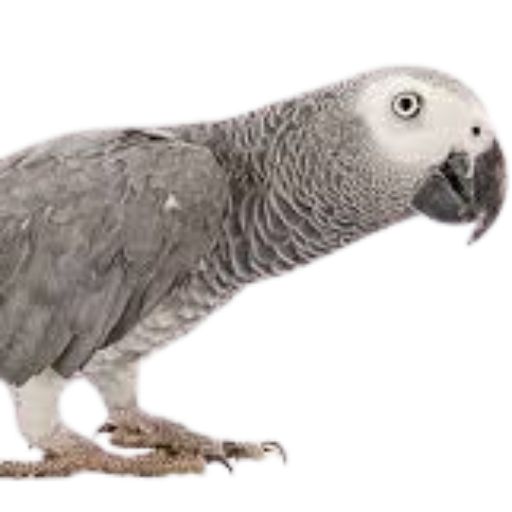
African Grey parrots are famous for speech and sound mimicry, but talking ability is never automatic. Clear speech usually grows from trust, repetition, routine, and a calm home environment. Some birds learn words quickly, while others prefer whistles, household sounds, or quiet interaction.
Start with Trust Before Words
A parrot that feels safe is more likely to listen, interact, and experiment with sounds. Before focusing on phrases, build a steady routine with gentle handling, predictable feeding, and short positive sessions.
Use Short, Useful Phrases
Choose simple phrases that match daily life. Words like hello, good morning, step up, want food, or good bird are easier to connect with routine. Say the same phrase in the same situation so the bird hears meaning, not random noise.
- Train in short sessions of a few minutes.
- Use a warm, clear voice without shouting.
- Reward attention, calm sounds, and attempts.
- Repeat phrases during real daily moments.
- Avoid punishing noise or silence.
Keep Expectations Realistic
Not every African Grey will become a big talker. Personality, age, comfort, consistency, and environment all matter. The goal is not to force speech; the goal is to build a confident companion that enjoys interaction.
Related Guides
Prepare the full routine with our African Grey care guide, support focus with the Parrot Feeding Guide, and browse African Grey parrots for sale. For availability questions, contact Higgins Grey Parrots.
Frequently Asked Questions
When do African Greys start talking?
Some African Greys begin experimenting with sounds while young, while others take much longer. Speech timing varies by individual bird and environment.
Can I teach an older African Grey to talk?
Older parrots can still learn new sounds or phrases, especially when training is calm, consistent, and built around trust.
Should I play recordings all day?
Recordings may help some birds, but real interaction is more valuable. Avoid constant noise that can stress the bird.