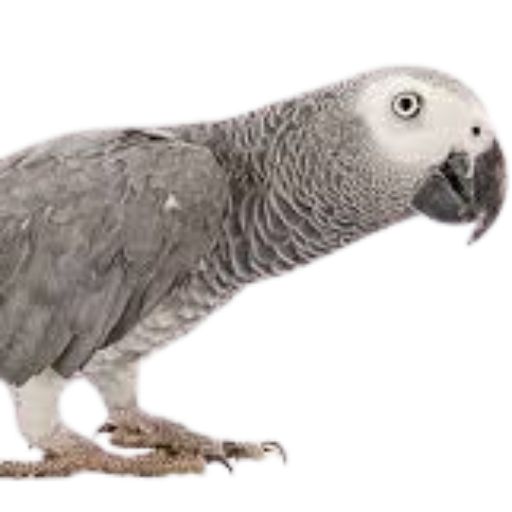
African Grey Enrichment Ideas: Toys, Foraging, and Daily Routine
Learn simple African Grey enrichment ideas, including toys, foraging, training, safe out-of-cage time, and daily routines that help keep parrots engaged.

African Grey parrots are intelligent birds that need daily mental activity, safe movement, and predictable interaction. Enrichment helps prevent boredom and gives your parrot healthy ways to chew, climb, explore, and learn.
The best routine is simple, steady, and safe. You do not need to overwhelm your bird with too many new things at once.
Use Safe Chewing and Foraging Toys
Chewing is normal parrot behavior. Offer safe wood, paper-based toys, puzzle feeders, and simple foraging activities that encourage your African Grey to work gently for treats or food pieces.
- Rotate toys instead of putting everything in the cage at once.
- Remove broken or unsafe toys quickly.
- Use small treats during supervised training.
- Keep toy sizes appropriate for the bird.
Create a Calm Daily Routine
African Greys often settle better when the day has a rhythm. Plan regular feeding, quiet rest, supervised out-of-cage time, and short training sessions. Keep early sessions positive and brief.
Support Enrichment With Feeding Variety
Food can be part of enrichment when used carefully. Pellets, safe vegetables, and small treats can be offered in ways that encourage natural foraging. Review our Parrot Feeding and Parrot Food pages for more planning help.
Keep the Home Safe
Before out-of-cage time, remove unsafe plants, loose wires, open water, hot surfaces, and anything the bird could chew or swallow. Supervision matters even with a well-socialized parrot.
African Grey Enrichment FAQ
How often should I rotate parrot toys?
Rotate toys as needed to keep interest high, but avoid changing everything at once if your bird is nervous around new objects.
Do African Greys need foraging activities?
Yes. Foraging can help keep an African Grey mentally engaged and encourages natural problem-solving behavior.
Can training count as enrichment?
Yes. Short, positive training sessions can provide mental activity, build trust, and help the bird learn safe household routines.