Adopting a Macaw Parrot vs. Adopting an African Grey Parrot: Which Is Right for You?

Choosing between adopting a macaw parrot and adopting an African Grey parrot is not simply a question of color, size, or price. Both are intelligent, emotionally complex birds that can become deeply bonded companions, but their space requirements, communication styles, noise levels, and daily care needs are very different.
Macaw and African Grey personalities
Macaws are often confident, playful, physically expressive birds. Many enjoy active games, climbing, chewing, and being included in household activity. Their large beaks and dramatic body language make their feelings easy to notice, but new owners must learn how to respond calmly and safely.
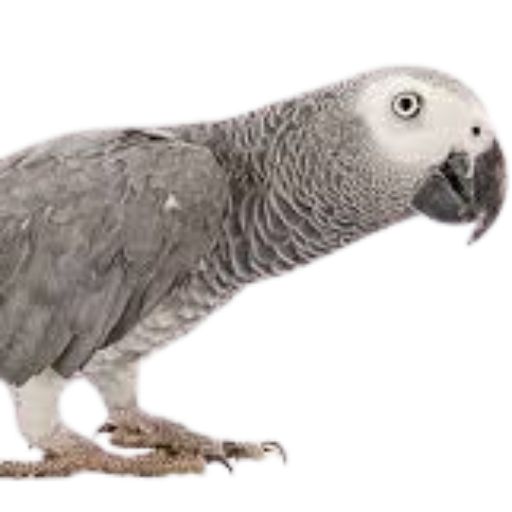
African Greys tend to be observant, thoughtful, and sensitive to changes in their surroundings. They are famous for speech and sound imitation, yet their intelligence extends well beyond vocabulary. A Grey may carefully study a new person, toy, or room before deciding to participate.
Space and cage requirements
A macaw generally needs a substantially larger enclosure than an African Grey. A full-size macaw must be able to extend its wings, climb, turn, and play without striking the cage sides. A secure play stand and a bird-safe exercise area are also important.
An African Grey needs less overall cage volume than a large macaw, but still benefits from a roomy enclosure with varied perch sizes and space for enrichment. Neither bird should spend all day confined. Supervised out-of-cage time is part of responsible ownership.
Noise and communication
Macaws can produce calls that carry through a home and into neighboring properties. Their natural contact calls are not a behavior defect. Apartment residents should consider building rules, shared walls, and their tolerance for predictable periods of loud sound.
African Greys are usually quieter in raw volume, although they can whistle, repeat alarms, imitate appliances, and vocalize frequently. A quieter species is not necessarily a silent pet.
Daily care comparison
- Diet: Both need a balanced diet based on an appropriate formulated food, fresh vegetables, measured healthy additions, and constant clean water.
- Enrichment: Macaws often favor robust climbing and chewing toys. African Greys benefit from puzzles, foraging activities, training, and gradual exposure to new objects.
- Cleaning: Both scatter food, feathers, and toy fragments. Larger macaws usually create more debris.
- Training: Positive reinforcement helps teach step-up behavior, stationing, handling, and cooperative care.
Time and emotional commitment
Both parrots may live for decades with appropriate care. They require daily interaction without being encouraged to depend on one person for every emotional need. A healthy routine includes independent play, adequate sleep, predictable meals, training, and social time.
African Greys may be especially affected by abrupt changes or inconsistent routines. Macaws can become difficult to manage when owners unintentionally reward screaming, rough play, or overexcitement. In both cases, prevention and patient training are more effective than punishment.
Adoption costs beyond the bird
The adoption or purchase price is only the beginning. Plan for a quality cage, travel carrier, perches, toys, food, cleaning supplies, an initial avian veterinary examination, and an emergency fund. A macaw enclosure and macaw-safe accessories generally cost more because of their size and required durability.
Questions to ask before adopting
- Can everyone in the household tolerate the bird’s natural noise?
- Is there enough room for an appropriately sized cage and play area?
- Is an experienced avian veterinarian available nearby?
- Can you maintain daily care during work changes, travel, or illness?
- Do you understand the bird’s history, diet, behavior, and medical records?
Which parrot is the better match?
A macaw may suit a household that has generous space, accepts louder vocalizations, and enjoys an energetic, physically interactive companion. An African Grey may suit someone who appreciates a more observant communication style and can provide a calm, mentally stimulating routine.
Neither choice should be made impulsively. Meet the individual bird when possible, discuss its history, and plan for its needs over an entire lifetime. Browse our available parrots and contact Higgins Grey Parrots to ask about current birds, temperament, and the next steps before reserving.