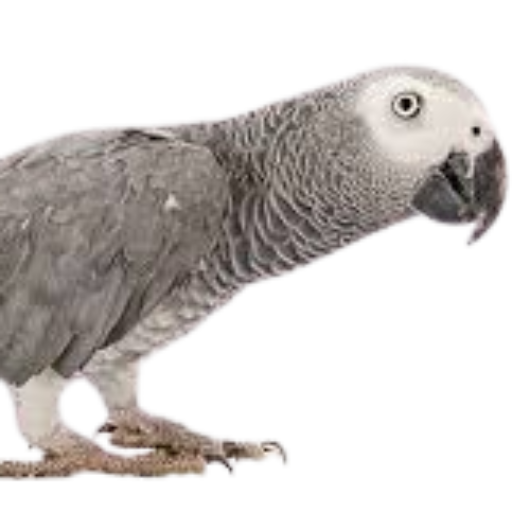
African Grey Guidelines: Organise the First 30 Days at Home
Prepare an African Grey handover folder and use a flexible first-month plan for familiar routines, veterinary care and gradual introductions.

African Grey guidelines are most useful when they become a plan for the individual bird. The first month is an opportunity to learn the bird’s routine and build a predictable home. The stages below are planning prompts, not deadlines: move at the bird’s pace and follow any veterinary instructions.
Before arrival: collect the handover information
Create a folder containing species identification, seller or rescue contact information, available health records, current foods, meal times and familiar cues. Ask how the bird responds to a carrier, people approaching the cage and everyday household activity. Keep unresolved questions on a separate list rather than assuming the answers.
Prepare the cage and bowls before travel. Identify a quiet location where the bird can observe family life without being crowded. Arrange a veterinary appointment and discuss quarantine arrangements if other birds live in the home.
Days 1–7: observe and keep things predictable
Maintain familiar foods and record eating, drinking and activity. Allow the bird to choose whether to approach; avoid forcing interaction to meet a schedule. Ask household members to use the same approach and keep introductions brief. Maintain a consistent opportunity for undisturbed sleep.
- Write down foods eaten and any changes from the handover routine.
- Keep carrier and veterinary contact details accessible.
- Note which approaches or objects seem comfortable or unsettling.
Weeks 2–3: build on comfortable interactions
VCA describes African Greys as intelligent, playful birds that benefit from activities such as climbing and chewing. Offer bird-safe enrichment gradually and observe how the individual uses it. Avoid assuming that a bird will speak or enjoy petting simply because it is an African Grey. Read VCA’s species overview for general background.
Week 4: review the plan
Compare the routine you expected with what the bird has shown you. Which foods are accepted? Which interactions are comfortable? What questions remain for the veterinarian? Adjust the daily schedule around those observations and make sure another caregiver understands it.
Use our vet-visit checklist, daily routine guide and home preparation guide for related reading. The AAV owner resources provide further veterinary education. Before reserving a listed African Grey, ask about that bird’s existing routine.