Male and Female Congo Grey Parrots: Appearance and Personality Myths
Explore why visual guesses and personality stereotypes cannot reliably distinguish male and female Congo African greys, and what to ask before choosing a bird.

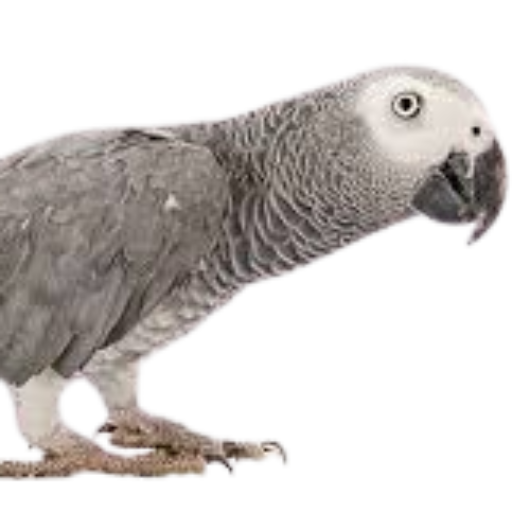
Male and female Congo grey parrots often look similar enough that an owner cannot reliably identify sex by appearance. Congo African greys are not visibly sexually dimorphic in a way that provides a dependable home identification method. A confident guess about head shape or feather details is still a guess.
Myth: body size proves the sex
Individual size differences do not turn a measurement or photograph into proof. The same applies to head outline, posture, and perceived beak shape. If knowing the bird’s sex matters, seek a reliable DNA result through an appropriate laboratory or your avian veterinarian.
Myth: males talk more and females are calmer
Sex is not a useful guarantee of speech, affection, or easy handling. A bird’s past experiences, health, environment, training, and individual preferences matter when assessing how it behaves. Meet the individual bird and ask for concrete examples of its routine rather than accepting a personality label.
For example, ask what happens when the caregiver opens the cage, introduces a new toy, or prepares to leave the room. Those answers offer more practical information than “males are friendly” or “females are quiet.” No companion parrot should be acquired on a promise that it will speak.
Myth: the preferred human reveals the sex
A preference for one household member does not identify whether a grey is male or female. Review how people approach, handle, and reward the bird. Someone who respects the bird’s choices may build a different relationship from someone who regularly pushes unwanted contact.
Build trust through predictable routines and short reward-based sessions. Let family members learn the same handling signals, and avoid using forced interaction as a test of temperament.
What to request when sex has been confirmed
- A laboratory report identifying the result.
- Records that connect that report to the particular bird.
- Relevant veterinary history, including any reproductive concerns.
- Details of the bird’s current care and training routine.
Keep sex identification separate from choosing a companion. A good household match depends on the care you can provide and the individual bird you meet.
Our African grey body-language guide helps you observe comfort and hesitation. See choosing an African grey for a broader preparation checklist.
Source
Psittacus’s African grey sex-identification guidance explains the limits of appearance and the role of DNA testing. Arrange sample collection according to professional instructions.