Household Air Quality for Parrots: Fumes, Smoke, and Everyday Risks
Learn how smoke, aerosols, scented products, cooking fumes, and poor ventilation can affect parrots, plus practical steps for maintaining safer indoor air.

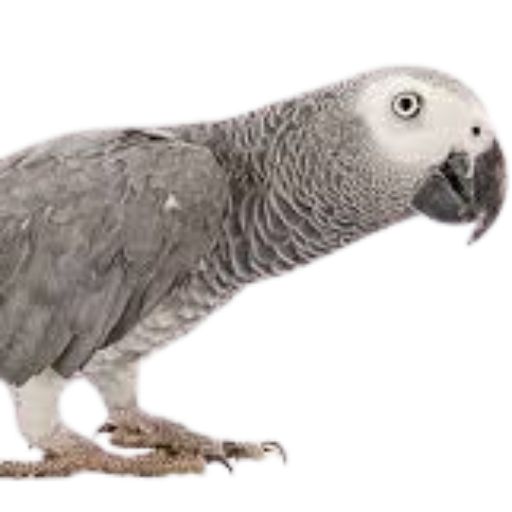
Parrots share our homes, but they do not experience household air in the same way people do. Their highly efficient respiratory systems make them particularly sensitive to smoke, heated nonstick coatings, aerosols, fragrances, and other airborne pollutants. A room that smells only mildly scented to a person may still be unsuitable for an African Grey, Macaw, or another companion bird.
This guide explains common air-quality risks and practical ways to reduce them. It is general educational information, not veterinary diagnosis or treatment. If you believe a bird has inhaled toxic fumes or is having trouble breathing, move away from the source if it is safe to do so and contact an avian veterinarian or emergency veterinary clinic immediately.
Why Household Air Quality Matters for Parrots
Birds move air through lungs and connected air sacs. This respiratory design supports flight, but it also means airborne chemicals and fine particles can affect them quickly. The Association of Avian Veterinarians household dangers guide warns that products tolerated by people or other mammals may be highly toxic to birds.
African Grey parrots also produce powder down, a fine feather dust that can accumulate near the cage and on nearby surfaces. Good housekeeping, fresh air, and appropriate filtration can benefit both the bird and the people in the home. Start with a sensible cage location using our bird care guidance, then review the products and appliances used throughout the house.
Keep Parrots Away From Cooking Fumes
A kitchen is usually a poor permanent location for a parrot. Cooking can release smoke, grease particles, gas byproducts, steam, and strong odors. Hot pans, boiling liquids, sharp tools, and open water also create physical hazards when a bird is out of the cage.
Polytetrafluoroethylene, commonly called PTFE and associated with many nonstick coatings, deserves special attention. When certain coated products overheat, they can release colorless and potentially fatal fumes. PTFE may be present in more than frying pans, including some air fryers, drip pans, waffle makers, irons, heat lamps, and self-cleaning oven components. Product labels are not always clear, so contact the manufacturer when you are uncertain.
Do not assume that opening a nearby window makes an overheated coated appliance safe. The safest approach is to identify questionable products before use and keep the bird well away from cooking and appliance fumes.
Smoke, Vaping, Candles, and Fireplaces
Cigarette smoke, vaping aerosols, marijuana smoke, fireplace smoke, incense, and smoke from burned food can irritate or injure a bird’s respiratory system. These pollutants can travel between rooms through open doors, heating systems, and air-conditioning ducts.
Smoking or vaping in another corner of the same room is not a meaningful safety barrier. Keep these activities outside the home, away from open windows and doors used for the bird’s room. Wash your hands before handling the bird after contact with tobacco or vaping products.
Scented candles and incense combine fragrance with combustion particles. For a parrot household, an unscented, smoke-free environment is the more cautious choice.
Aerosols, Fragrances, and Cleaning Products
Air fresheners, perfume, hairspray, nail products, spray cleaners, insecticides, paint, varnish, glue, carpet treatments, and essential-oil diffusers can release airborne chemicals. A label that says “natural” does not automatically mean that a product is safe for birds.
The VCA household hazards guide for birds recommends keeping birds away from smoke, diffusers, vaporizers, cooking fumes, paints, air fresheners, and many cleaning-product fumes.
When cleaning near the bird’s usual area:
- Move the bird to a separate, safe, well-ventilated room before using a strong product.
- Avoid spraying cleaners into the air or toward cages, food bowls, toys, and perches.
- Follow the manufacturer’s ventilation instructions.
- Allow cleaned surfaces to dry and fumes to clear before returning the bird.
- Store all products where a curious beak cannot reach them.
Create a Safer Air Plan
1. Choose the cage location carefully
Place the cage away from the kitchen, garage, fireplace, smoking area, direct heating vents, and rooms where sprays or beauty products are frequently used. The location should still allow the parrot to participate in family life. If you are reviewing the whole setup, compare your space with our parrot cage and stand guidance.
2. Audit appliances and coated products
Make a list of cookware, air fryers, toaster ovens, irons, space heaters, heat lamps, and other heated appliances. Ask manufacturers whether heated parts contain PTFE, PFOA, fluoropolymers, or similar nonstick coatings. Replace uncertain products conservatively rather than relying on smell; dangerous fumes may be odorless.
3. Improve ventilation without creating an escape risk
Fresh air is useful when outdoor conditions are safe, but every open window should have a secure screen and every exterior door should be managed carefully. Avoid opening windows during wildfire smoke, pesticide application, heavy traffic pollution, or poor outdoor air-quality alerts.
4. Consider particle filtration
A correctly sized HEPA air purifier may help remove feather dust and other particles. Choose a unit that does not intentionally generate ozone and follow its filter-replacement schedule. Position it so strong airflow does not blow continuously across the cage. An air purifier does not make smoke, aerosols, fragrances, or PTFE fumes safe to use around birds.
5. Keep the cage area clean
Replace cage paper regularly, wipe nearby surfaces with a bird-appropriate cleaning method, wash bowls, and prevent damp food or debris from accumulating. Our parrot feeding guide can help you plan cleaner food preparation and bowl routines.
Possible Warning Signs After Fume Exposure
Warning signs can include rapid or labored breathing, open-mouth breathing, wheezing, unusual tail movement with each breath, weakness, poor balance, marked sleepiness, or collapse. Some exposures can cause severe illness before obvious signs appear.
Do not wait for an online answer if exposure is suspected. Remove the bird from the source when this can be done safely, provide fresh uncontaminated air, and call an avian veterinarian or emergency veterinary clinic. Do not give medications, oils, steam treatments, or home remedies unless a veterinarian specifically directs you to do so.
Parrot Air-Quality Checklist
- The cage is outside the kitchen and away from smoke-producing areas.
- No one smokes or vapes inside the home.
- Scented candles, incense, plug-ins, and essential-oil diffusers are not used around the bird.
- Spray cleaners, perfumes, paints, and pesticides are kept away from the bird’s airspace.
- Heated appliances have been checked for nonstick coatings.
- Windows and doors provide ventilation without creating an escape route.
- HEPA filters and HVAC filters are maintained on schedule.
- The household knows which avian veterinarian or emergency clinic to call.
Frequently Asked Questions
Can a parrot cage stay in the kitchen?
A kitchen is generally not recommended because of cooking fumes, heated nonstick products, hot surfaces, boiling liquids, and sharp objects. A nearby social room with cleaner air is usually a better choice.
Are scented candles safe around parrots?
The cautious choice is to avoid scented candles and incense in a parrot home. They release fragrance and combustion particles that can affect sensitive avian respiratory systems.
Will a HEPA purifier remove toxic fumes?
A HEPA filter is designed mainly for particles such as dust. It should not be treated as protection against PTFE fumes, smoke, aerosols, or volatile chemicals. Preventing exposure remains essential.
What should I do if my parrot breathes cooking or chemical fumes?
Move the bird away from the source if it is safe, provide fresh uncontaminated air, and contact an avian veterinarian or emergency clinic immediately. Serious signs can develop rapidly.
Plan a Safer Home Before Bringing a Parrot Home
Air quality is one part of preparing for a companion bird. Before reserving, review cage placement, food storage, cleaning routines, emergency contacts, and everyone’s household habits. You can browse our available parrots and contact Higgins Grey Parrots with questions about preparing your home for an African Grey or Macaw.