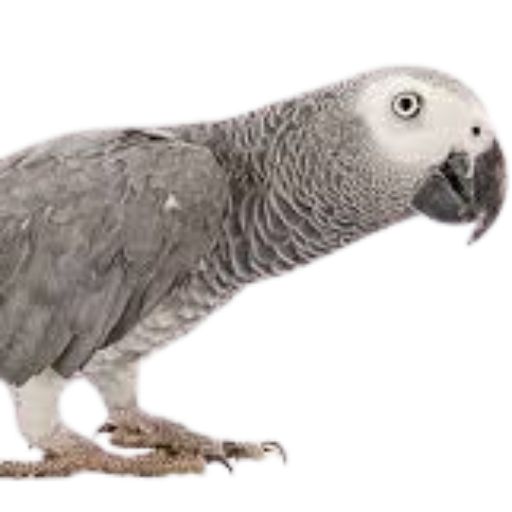
How to Help a Parrot Adjust to a New Cage
Help your parrot adjust to a new cage with safe placement, familiar perches and bowls, gradual training, a steady routine, and careful health monitoring.

A new cage can improve a parrot’s safety and daily routine, but even a positive change may feel unfamiliar at first. The best way to help a parrot adjust to a new cage is to prepare the enclosure carefully, introduce it at the bird’s pace, and monitor eating, droppings, posture, and activity.
This guide offers general husbandry advice. A sudden behavior or health change should be discussed with an avian veterinarian, especially if the bird eats less, appears weak, or has trouble breathing.
Choose and Inspect the Cage First
If you are comparing a top-opening design, view the Cortes Top Opening Parrot Cage in Antique. Request its dimensions and bar spacing before deciding whether it fits your bird; the design name alone does not establish suitability.
The cage should be large enough for the bird to stretch, turn, climb, and move without the tail or wings striking the bars. Bar spacing must prevent the head from passing through. Use a cage made from bird-safe, nontoxic materials, and inspect welds, doors, locks, trays, and hardware for sharp edges, rust, peeling coatings, or places where toes or beaks could become trapped.
Our Parrot Cages guide explains sizing, materials, and setup questions to consider before choosing an enclosure.
Place the Cage in a Safe, Predictable Location
Choose a room where the parrot can observe normal household life without being surrounded by constant traffic. Avoid kitchens, cooking fumes, smoke, aerosols, scented products, direct heat, air-conditioning vents, and strong drafts. Keep the cage away from doors that open outdoors and from areas where another pet could reach it.
A cage beside a solid wall can provide a sense of security while still allowing the bird to see the room. Watch how your individual parrot responds; some enjoy more family activity, while others settle better in a quieter position.
Set Up Familiar Essentials
Before introducing the bird, place food and water where they are easy to find. If possible, begin with bowls in positions similar to the previous cage. Use some familiar, clean perches and one or two known toys rather than filling every space with new objects.
Provide perches of suitable, varied diameters and bird-safe materials. Avoid relying only on uniform dowels, and never use sandpaper perch covers. Arrange perches so droppings cannot fall into food or water and the tail does not rub against the bars.
Line the tray with plain paper or paper towels. This makes cleaning straightforward and helps you observe droppings during the adjustment period.
Let Your Parrot Observe the New Cage
When practical, place the new cage within view before asking the bird to enter. Allow calm observation while offering treats, praise, or familiar activities at a comfortable distance. Move closer gradually only when the bird remains relaxed.
Do not chase, grab, or force the bird through the door simply to speed up the process. If a faster transition is medically or logistically necessary, ask an avian veterinarian or experienced positive-reinforcement professional for an individual plan.
Build a Positive Path to the Door
Use short sessions to reward looking at the cage, approaching it, standing near the entrance, touching a familiar perch, and stepping inside. A stable tabletop perch or door-mounted perch can create an easier bridge. Keep sessions brief enough that the parrot finishes calmly.
Learn to recognize relaxed and uncomfortable signals in our parrot body-language guide. If the bird leans away, freezes, tries to flee, or repeatedly refuses food, increase distance and simplify the step.
Keep Food and Water Familiar
A cage move is not the best time for an abrupt diet conversion. Offer the bird’s established foods and verify that it knows where the bowls are. Measure or observe food intake rather than assuming a disturbed bowl means the bird ate.
Fresh water and clean dishes should always be available. Use our Parrot Feeding page for general nutrition planning, and ask an avian veterinarian before making significant diet changes.
Avoid Overloading the Cage With Toys
Enrichment matters, but too many unfamiliar items can make a new enclosure harder to navigate. Start with a few safe, familiar choices and preserve open movement space. Add or rotate items gradually while watching for fear, guarding, chewing hazards, or entanglement risks.
Food-search activities can help a confident bird form positive associations. Our beginner foraging guide offers simple starting points.
Plan the First Evening
Give the parrot time to locate a secure sleeping perch before the room becomes dark. Keep the evening quiet and follow a familiar bedtime routine. Avoid repeatedly checking with bright lights, which can interrupt rest. See our parrot sleep guide for routine-building tips.
Confirm that the bird can reach food and water safely the next morning. If it remained low in the cage or did not move normally, contact an avian veterinarian rather than assuming it is merely nervous.
Clean Without Making the Cage Unfamiliar
Change plain paper liners daily and clean food and water dishes regularly. Use only products confirmed safe around birds, rinse as directed, and prevent exposure to fumes. During the first days, avoid unnecessary complete rearrangements unless a setup problem creates a safety risk.
Monitor Adjustment Without Hovering
Signs of progress may include eating normally, exploring perches, playing, preening, resting on one foot, vocalizing in a familiar way, and approaching caregivers voluntarily. Some birds settle quickly; others need more gradual exposure.
Keep simple notes about appetite, droppings, sleep, activity, and behavior. Seek veterinary guidance for persistent appetite reduction, altered droppings, weight loss, repeated falling, prolonged cage-floor sitting, vomiting, breathing difficulty, pronounced tail bobbing, unusual sleepiness, or marked withdrawal.
Frequently Asked Questions
How long does it take a parrot to adjust to a new cage?
There is no fixed timeline. Temperament, previous experience, cage design, location, and health all matter. Progress should be judged by calm behavior and normal daily functions, not by a deadline.
Should I put the old and new cages beside each other?
That can help some parrots observe the new enclosure safely. Ensure both cages remain stable and doors cannot create trapping or escape hazards. Move at the bird’s pace when circumstances allow.
Can I move all the old toys into the new cage?
Use a small selection of clean, familiar items first. Preserve enough open room for safe movement and inspect every item for wear before transferring it.
What if my parrot will not eat in the new cage?
Verify that familiar food and water are visible and reachable, then contact an avian veterinarian promptly if intake is reduced or uncertain. Birds can become ill quickly, and appetite loss should not be treated as a routine adjustment problem.
Should I cover the new cage at night?
Do not assume every parrot needs a cover. A cover can frighten some birds or affect ventilation. Provide a quiet, dark sleep environment and ask your avian veterinarian about the safest routine for your bird.
Build Confidence One Step at a Time
A thoughtful cage transition combines safe equipment, familiar essentials, positive reinforcement, and close observation. Continue with our Bird Care resources, browse Available Parrots, or contact Higgins Grey Parrots about pickup and nationwide shipping.