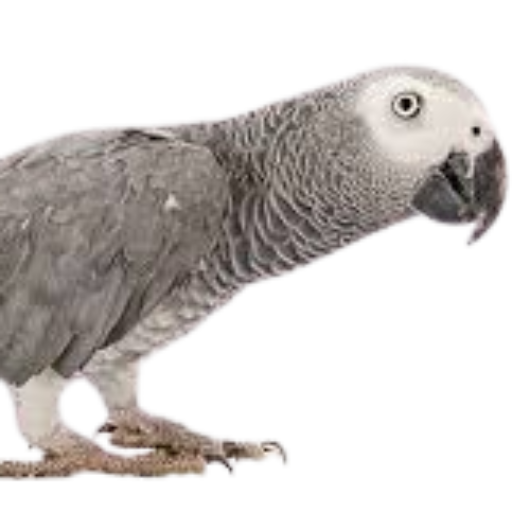
Parrot Lovers: Create a Weekly Activity Plan Your Bird Can Enjoy
A practical weekly activity plan for parrot lovers, with observation, simple enrichment, shared routines and ways to respect your bird's choices.

For parrot lovers, a rewarding week can include much more than talking practice and cuddles. Parrots also benefit from opportunities to explore, make choices and spend relaxed time near familiar people. A weekly activity plan helps you offer variety while keeping the bird’s preferences at the center.
Start with observation rather than a packed schedule
Watch what your parrot does when it can choose freely. Does it prefer climbing, chewing, watching the room, or working on a familiar toy? Write down two activities it approaches willingly. Those observations give you a better starting point than choosing whatever looks entertaining on social media.
A flexible seven-day activity menu
- Monday: spend a quiet session nearby and note the bird’s preferred places.
- Tuesday: offer an easy, supervised food-search activity using a familiar bird-safe item.
- Wednesday: practice one familiar cue briefly and finish while participation is still voluntary.
- Thursday: inspect toys and offer a suitable chewing option.
- Friday: arrange an accessible climbing route in a secure, supervised space.
- Saturday: enjoy calm company while the bird plays independently.
- Sunday: review which activities attracted interest and simplify anything that caused hesitation.
This is a menu, not a quota. Repeat a favorite activity or skip a session when the bird needs rest. Novelty is useful only when it remains manageable.
Make participation a choice
Introduce new items at a comfortable distance. Let the parrot approach rather than placing it directly beside an unfamiliar object. Keep an easy retreat available. If the bird moves away, pauses, or appears tense, reduce the difficulty and give it space. A successful session can be as simple as calmly looking at a new toy.
Share attention without creating constant dependence
Combine interaction with comfortable independent play. Family members can use consistent cues and rewards, but each should build trust at the bird’s pace. Avoid forcing contact to make a parrot accept everyone. See our guide to building trust and helping parrots feel comfortable around visitors.
Track enjoyment, not performance
Record whether the bird approached, stayed engaged and could leave freely. Do not judge progress by the number of words spoken or by footage captured. A simple notebook can reveal which time of day and setting work best.
The AAV overview of birds’ environmental needs explains the importance of exercise, privacy, social opportunities and enrichment. Use it alongside your own observations to create a routine your individual parrot can enjoy.