Double Flight Cage Guide: Choosing a Safe, Spacious Home for Parrots

A double flight cage can give compatible parrots more horizontal room for movement, climbing, and enrichment than many standard cages. It can also offer a flexible divider that creates two separate living areas. Size alone, however, does not make a cage appropriate. Bar spacing, construction, layout, and the relationship between the birds all matter.
What is a double flight cage?
A double flight cage is a wide enclosure built as one large unit or as two connected sections. Many models include a removable divider. With the divider installed, each side functions as a separate cage. With it removed, the birds have access to a wider shared space.
The term “flight cage” can be misleading. A cage may encourage short horizontal movement, but it does not replace supervised exercise in a bird-safe area.
When a double flight cage is useful
- Housing a compatible pair that already chooses to share space safely
- Keeping two birds separately while using one coordinated cage footprint
- Providing additional horizontal room for smaller or medium parrots
- Creating separate feeding, sleeping, or introduction areas with a secure divider
Never place unfamiliar parrots together simply because the cage is large. Compatibility should be assessed gradually, with separate cages available during introductions.
Measure the bird, bars, and room
The bird must be able to fully extend and flap its wings without hitting bars, toys, or bowls. The cage should be wide enough for movement after perches and enrichment are installed. Check the manufacturer’s internal dimensions rather than relying on exterior width, which may include seed guards or stands.
Bar spacing must prevent the head from passing between the bars while still allowing comfortable climbing. Spacing that is safe for a large macaw may be dangerous for an African Grey or smaller parrot. Ask an avian professional if you are uncertain.
Can a macaw use a double flight cage?
Many double flight cages sold for smaller parrots are not built for a full-size macaw. Their bars, welds, locks, and wire gauge may not withstand a macaw’s beak. A large macaw needs a purpose-built heavy-duty enclosure with appropriate spacing and secure doors.
Some extra-large double enclosures may suit particular large parrots, but verify the manufacturer’s intended species and weight rating. Mini macaws have different requirements from blue-and-gold, green-wing, scarlet, or hyacinth macaws.
Can an African Grey use a double flight cage?
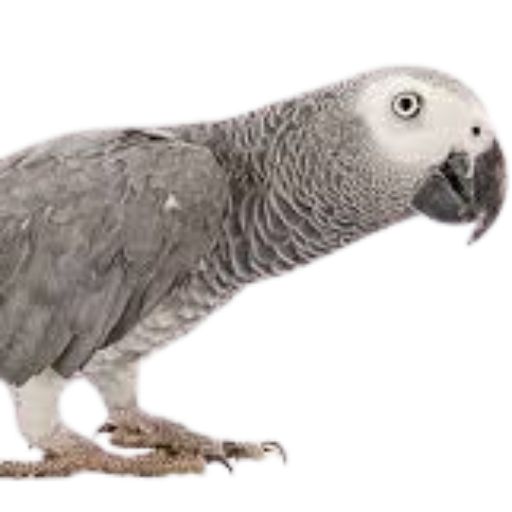
A well-designed double flight cage can work for an African Grey when the bar spacing, materials, and internal dimensions are appropriate. Greys benefit from horizontal movement, foraging locations, and multiple perch types. Avoid crowding the cage with so many accessories that the extra width becomes unusable.
Safety features to inspect
- Finish: Choose a bird-safe, intact coating or suitable stainless steel.
- Locks: Intelligent parrots may open simple latches, so doors and feeder access points must be secure.
- Divider: It should lock firmly without gaps that can trap toes or permit biting.
- Welds and hardware: Inspect for sharp edges, weak points, rust, and exposed unsafe metals.
- Cleaning access: Trays and grates should be removable without allowing escape.
- Mobility: Casters must support the cage and lock securely on a level floor.
Setting up the interior
Use natural perches of varied safe diameters rather than identical dowels. Position food and water where droppings cannot fall into bowls. Keep a clear movement route across the width of the cage and rotate toys instead of filling every open area.
If two birds share the enclosure, provide duplicate feeding stations and multiple desirable perches. Monitor whether one bird blocks the other from food, water, sleep, or enrichment.
Where to place the cage
Choose a stable area where the birds can participate in household life without being trapped in constant traffic. Avoid kitchens, cooking fumes, smoke, aerosols, direct drafts, and prolonged harsh sunlight. Birds generally need a predictable, quiet sleep period each night.
Cleaning and maintenance
Replace cage paper regularly, wash bowls daily, and remove food residue before it hardens. Inspect bars, welds, latches, perches, and toys during cleaning. A wide cage is only beneficial when every section remains sanitary and safe.
Final checklist
Before buying a double flight cage, confirm the internal dimensions, bar spacing, wire strength, door size, divider security, and room access. Measure doorways in your home and plan how the assembled cage will be moved. The right enclosure supports daily care, but it works best alongside training, enrichment, and supervised time outside the cage.