Indoor Enrichment for Intelligent Parrots

Intelligent parrots need more than a cage filled with toys. Good enrichment gives them safe opportunities to forage, climb, chew, explore, train, socialize, and rest. The goal is not constant entertainment but a varied daily life that supports natural behavior.
Start With Foraging
Wild parrots spend much of their day searching for food. Recreate that challenge by wrapping a small portion of food in bird-safe paper, placing pellets in simple puzzle feeders, or hiding treats in approved foraging toys. Begin with easy tasks so the bird learns how the activity works.
Rotate Toys Instead of Overcrowding the Cage
Offer a mix of shreddable, chewable, climbing, foot, and problem-solving toys. Rotate a few items every week while keeping a familiar favorite available. Inspect toys frequently and remove frayed rope, sharp parts, loose hardware, or anything the bird can swallow or become trapped in.
Create Safe Climbing Opportunities
Play stands, ladders, swings, and natural branches encourage movement and coordination. Use bird-safe materials and position equipment away from kitchens, open windows, ceiling fans, electrical cords, and other hazards.
Use Positive-Reinforcement Training
Short training sessions provide mental exercise and improve communication. Target training, stationing, recall practice in a secured room, and cooperative care behaviors can be taught through small rewards. End while the bird is still interested and never use intimidation or punishment.
Offer Supervised Exploration
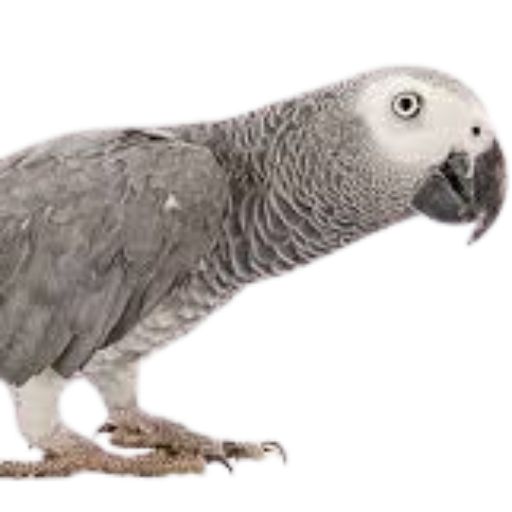
A bird-safe area outside the cage allows parrots to investigate textures, objects, and viewpoints. Cardboard boxes without tape or staples, untreated paper, and safe browse branches can provide inexpensive enrichment. Introduce unfamiliar items gradually, especially with cautious African Greys.
Include Social Choice and Quiet Time
Many parrots enjoy being near household activity, but they also need control over interaction. Watch body language and provide a retreat when the bird wants space. A predictable sleep period of roughly 10–12 quiet, dark hours is just as important as daytime activity.
Build a Balanced Weekly Plan
- Daily foraging at an appropriate difficulty
- Several short training sessions each week
- Regular toy inspection and rotation
- Supervised climbing and movement
- Calm social time and independent play
- Consistent sleep and rest
Keep Enrichment Individual
Observe what your parrot approaches, avoids, destroys, or solves quickly. Adjust activities to its confidence and ability. If a sudden behavior change appears, consult an avian veterinarian to rule out a medical cause.
Explore more practical ideas on our bird care page and learn about the needs of African Grey parrots.