African Grey Parrot Body Language: What New Owners Should Watch For
Learn common African Grey parrot body language signs so you can understand comfort, fear, curiosity, and stress before problems grow.

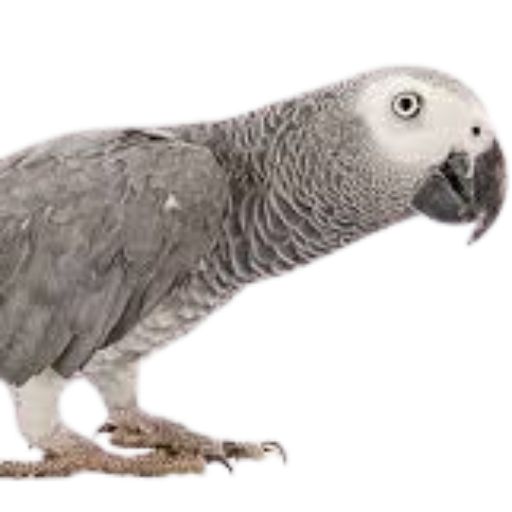
African Grey parrots are intelligent, observant birds. They do not only communicate with sounds and words. They also communicate through posture, feathers, eyes, beak movement, tail position, and how they respond when people approach.
Learning basic body language helps new owners move at the bird’s pace. It can prevent fear, reduce biting, and make the first weeks at home easier for both the parrot and the family.
Why Body Language Matters
An African Grey may not always step away loudly when it is uncomfortable. Some birds freeze, lean back, pin their eyes, or become very still before they react. When you learn these smaller signals, you can slow down before the bird feels pushed.
This is especially important during the first days after pickup or delivery. If your parrot is new, read our bird care guide and keep interactions short, calm, and predictable.
Signs Your African Grey Is Relaxed
A relaxed African Grey may sit comfortably on a perch, gently grind its beak, preen, stretch one wing and leg, or softly chatter. The feathers may look smooth but not tight. The bird may watch you with interest instead of leaning away.
- Soft posture while sitting on the perch
- Gentle beak grinding during quiet time
- Preening or stretching in a calm way
- Taking treats without rushing or lunging
- Curious watching without panic
These signs do not always mean the bird wants to be handled immediately. They simply show that the bird is becoming more comfortable in the environment.
Signs Your Bird Needs Space
A parrot that needs space may lean away, move to the back of the cage, raise feathers tightly, open the beak, growl, or lunge. Some African Greys also become very still when nervous. If you see these signs, pause instead of pushing closer.
Respecting these signals teaches the bird that your hands and voice are safe. This is one reason trust-building matters. You can also read our guide on building trust with a new African Grey parrot.
Eye Pinning and Excitement
Eye pinning means the pupil quickly gets smaller and larger. In parrots, this can happen during excitement, curiosity, play, or agitation. It is not always bad, but it should be read together with the rest of the body.
If the bird is relaxed, playful, and taking treats gently, eye pinning may show interest. If the bird is stiff, leaning forward, opening the beak, or guarding a perch or toy, slow down and give space.
Feather Position Can Tell You a Lot
Loose, comfortable feathers can be a sign of relaxation. Tight feathers may show alertness or nervousness. A bird that stays fluffed for a long time, seems weak, or is not eating normally may need attention from an avian veterinarian.
Body language is useful, but it does not replace health care. If behavior changes suddenly, especially with appetite or droppings, take it seriously.
Food, Routine, and Behavior Work Together
Behavior is often connected to routine. A parrot that is hungry, tired, bored, or overstimulated may act differently. Keep feeding times steady, offer safe enrichment, and make sure your bird has quiet rest. Our parrot feeding guide can help you understand basic diet planning.
A calm routine is especially helpful when you are preparing to choose a bird from our Available Parrots page. The more prepared your home is, the easier the transition can be.
When to Ask for Help
Ask for help if your parrot suddenly stops eating, looks weak, stays fluffed for long periods, breathes heavily, or has a major behavior change. Also ask questions if you are unsure whether a behavior means fear, excitement, or illness.
If you are preparing for a new parrot and want to ask about current birds, contact Higgins Grey Parrots. Tell us about your home, your routine, and what kind of companion you are hoping for.
Frequently Asked Questions
How do I know if my African Grey is scared?
A scared African Grey may lean away, move to the back of the cage, become very still, growl, open the beak, or lunge. Give the bird space and return to calm, short interactions.
What does beak grinding mean in an African Grey?
Gentle beak grinding often happens when a parrot is relaxed or settling down to rest. It is usually a normal comfort behavior when the bird otherwise looks healthy and calm.
Is eye pinning always a warning sign?
No. Eye pinning can mean excitement, curiosity, play, or agitation. Read it with the rest of the body. If the bird is stiff, lunging, or guarding something, slow down.